
Water Heaters
Doylestown Electric Water Heater Went Scalding to Lukewarm Overnight
 By Mike Mackin, Owner ·
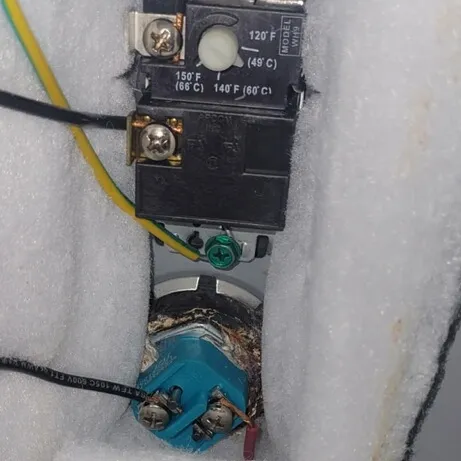
A real text from a real customer in Doylestown was just too funny not to share…
Quick question: our water heater is 10 years old. We are bad water heater parents and never flushed it. Matt got remarkably hot water two nights ago (hotter than usual) and then suddenly the wh wasn’t working at all. He hit the reset button this morning and says the water is starting to be slightly warmer. Is this cause for a look-over? Should we be bracing for a new one?
Remarkably hotter… that’s the sign
Without even looking at this heater, we can piece together the preliminary diagnosis. We know the water temperature spiked. This caused a high temperature fault, so the thermostat shut down the power to the elements, which is a safety feature built in. Second, we know it’s usually the lower element that goes bad before the upper element. When you combine these two bits of information and consider their comment about never having flushed the water heater, the picture comes into focus.
Sediment strikes again?
Our hunch is that the sediment buildup in the bottom of their electric water heater is partially or fully covering the bottom element. The upper and lower elements have current running through them, and that is how the water is heated. When an element is covered in sediment it can overheat, causing that spike in hot water coming out of the faucet. If it gets really bad, the element can rupture and fail. This may explain why our Doylestown customer only got to “slightly warmer” water. Once the bottom element fails, only the top element (and the top half of the water in the tank) gets hot.
How we fixed it
After confirming our diagnosis onsite, we presented a rebuild, a replacement, and an upgraded replacement option. The rebuild was $709 and included draining and flushing the tank, and replacing the upper and lower elements and thermostats. The big risks with this option were that the tank may not drain because of the sediment and, at 10 years old, the tank itself may be close to its expected life. The homeowner decided to replace the water heater with a Rheem 50-gallon electric water heater with an extended 12-year warranty. Standard replacements come with a 6-year warranty, so upgrading the warranty offers great peace of mind.
The mystery is solved, the jobsite is cleaned up, and the hot water is back on. And in 12 months they’ll hopefully have us back out to flush the sediment.
If your electric water heater ran hot and then went lukewarm, call 330-825-3686 or book online before you hit the reset button again.